
With the dust settling on yesterday's election results only one thing is certain in Greece; the previous political era is now officially over. Both the conservative New Democracy and left wing PASOK parties who've dominated the stage for more than a generation received a drubbing at the polls. Even though New Democracy emerged as the largest party, it garnered just 18.89% (at time of writing), just over half its 2009 election share. PASOK, lead by Evengelos Venizelos suffered an even more crushing reversal, and is left with just 41 seats, down 129 from 2009.
Other losers included the far right LAOS party and conservative Democratic Alliance who both failed to reach the 3% threshold for parliamentary representation. Also the plethora of splinter groups/parties set up by expelled PASOK and New Democracy MPs failed to make any headway, with the sole exception of the hard right Independent Greeks lead by Panos Kammenos which won 33 seats.
On the other the Radical Left Coalition (SYRIZA) came second in the polls, just a few percentage points behind New Democracy and gained 51 seats,and would be just 7 behind the conservative if it were not for the electoral rule that awards an extra 50 seats to the party with the most votes. The newly minted Democratic Left also entered parliament for the first time with 19 seats, having attracted much of its support from dissatisfied PASOK voters.
However, the official communist party KKE proved to have a disappointing night, increasing its share of the vote by less than 1%, a reflection that its old style campaign failed to reach out and convince few new voters.
The more worrying development was the rise of the neo-Nazi Golden Dawn party who are set to have 21 seats in parliament. The extremist group which has been linked numerous acts of violence against immigrants and political opponents are not simply a far right formation but rather a party that believes fervently in many of the core tenants of national socialism and Hitlerite ideology. Their ascent to power allows them a place in the political mainstream and assures them airtime on TV and radio from which they can promote a platform of racial hatred and political intolerance.
With the old political order in tatters and a parliament fractured so deeply along deeply held ideological lines forming a new government will be difficult. In the immediate aftermath of the vote many party leaders rushed to deny that they'd form alliances with others. For example KKE leader Aleka Papariga came out against an alliance with SYRIZA while Kammenos ruled out possible partnership with New Democracy. On the other hand ND leader Samaras and PASOK leader Venizelos are reaching out to other political forces in the hope of creating a viable block.
What is clear is that neither the left nor the right are in a position to form a majority government of their own, and that means either new elections immediately or a fractious coalition unlikely to survive the backlash generated by the latest round of job cuts and tax hikes which are likely to the poorest hardest. In that case new elections during the summer seems unavoidable.
The irony is that the unbending demands of the troika (IMF, EU and ECB) has created exactly the situation they were most anxious to avoid, one in which Greece is unable or unwilling to implement the austerity measures that are part of the next "bailout: plan.


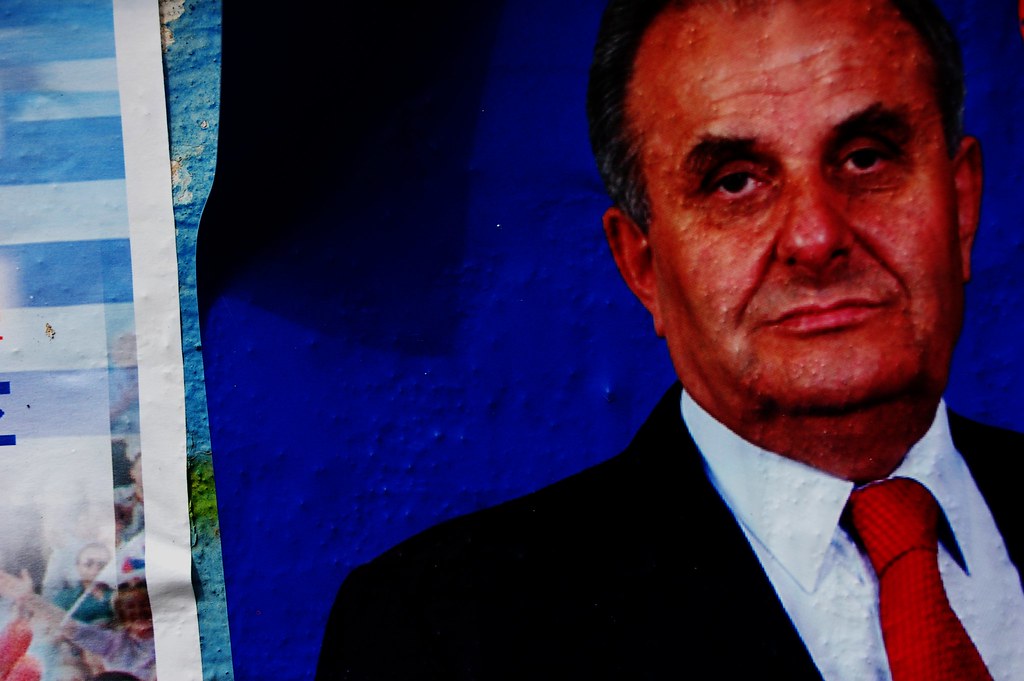
No one in the present political set up, either on the left or the right set up has been able to turn an intense feeling of voter dissatisfaction into concrete electoral support. Obviously, the great loser in all this is the centre left PASOK party led by prime minister Giorgos Papandreou whose popularity has nose dived in the wake of the austerity measures imposed at the behest of the EU, ECB, IMF troika. However, the main opposition party, the conservative New Democracy has been unable to made much headway in the polls tainted as they are by their role in the country's economic meltdown. Even their newly elected leader Antonis Samaras's populist rhetoric has failed to convince many other than the party faithful.
On the other hand smaller parties of the left and right of the two main parties are also struggling to generate voter interest. On the far right LAOS, led by Giorgos Karatzaferis has failed to poach votes from New Democracy in the numbers it was expecting, the result, in part of its parliamentary support of the PASOK in passing the legislation and measures demanded by Greece's lenders.
Nor is the picture much better on the left with people wary of the Greek Communist party's old school ideological stance and its unwavering allegiance to the state run socialist economic model favoured by the Soviet Union in its heyday. The other reformist left wing coalitions languish in the polls, internally divided and struggling to get their message across in the media.
Underlying the growing indifference of Greek voters to the choices on offer is the realisations that whoever is in power their ability to change the present economic climate is limited as virtually all major economic decisions taken have to be okayed in Brussels, Strasburg and Washington. In addition an even deeper feeling of distrust of those in power comes from the deeply rooted idea that the country's rules are above the law and so free to abuse their position. This is hardly a new innovation and one that is central to modern Greek mindset but what has changed is the fact that the political caste's greed and incompetence has brought the nation to the edge of the abyss and so is no longer considered the acceptable price of getting things done.
Such extreme notions are reinforced by parliament's handling of recent corruption and bribery scandals involving the cases such asVatopedi Monestary, Siemens and the 2004 Athens Olympic games. These are just a few of the dozens of scandals that have racked Athens over the last few years and yet despite endless investigations not one politician has been convicted of a single misdemeanor, let alone spent time in jail. Many ordinary Greeks have come to the conclusion that whoever is in power, nothing will change and that once in charge the first priority of politicians is to line their own and their family's pockets at the expense of everyone else.
Given such cynicism and anger political analysts and leaders both left and right are worried about how this backlash will effect the vote in November and how the political landscape will be changed. Already the prime minister has warned that a major defeat for his party may result in the country going the polls again in a round new parliamentary elections. The national daily, Nea also published reports that Papandreou is considering a snap election as soon as December 12th in such an eventuality.
For Papandreou and many others the November elections are in reality a referendum on the bailout package and should his party lose badly that would require his government seek a new popular mandate. On the other hand political commentators have interpreted his words as political blackmail, a high stakes bluff aimed at getting reticent PASOK voters to the polls. If so, the costs of such a strategy are high indeed with the world's money markets jittery over the prospect of a change in government in Athens. Over the week Greek CDS's soaring once again above 800 points reflecting the financial world's unease at the prospect of a vote.
If Greece does go to the polls in December, both Papandreou and Samaras face the same dilemma that whoever wins is in no position to change the basic parameters of the current bailout deal and therefore will be associated in the popular imagination with job losses, painful spending cuts and a severe economic downturn.
The trick will be how to run a credible campaign yet not win, a feat the previous New Democracy leader, Kostas Karamanlis pulled off during his lukewarm campaign in 2009. Faced with immediate financial meltdown Karamanlis called early elections is September much to the annoyance of members of the party who wanted to wait till Spring 2010. However, they were unaware of just how dire the country's finances were and that by running early and losing New Democracy would still remain a coherent political force that could present itself as a credible alternative to PASOK once they had dealt with the financial mess at huge political cost.
Like the card game Black Maria in which the aim is to foist the Queen of Spades unto your opponent both main parties are supposedly gearing up to slug it out at the polls whilst secertly hoping that they will not have the misfortune to be in power.