Greek recovery is back. The news story that refuses to die no matter how many times the predictions are debunked.
Once again the world's press and a large chunk of the nation's police force descended upon Athens in anticipation of the visit by German chancellor, Angela Merkel to beleaguered Greek prime minister, Antonis Samaras.
Bathing in glow of German praise for his government's austerity policies and the a successful five - year bond auction the fragile coalition government and its supporters in the the media were certain that this marked the end of a six-year economic downturn that has not been seen in a developed European country at peace since the Great Depression. Nor was such optimism limited to local reporters and analysts, foreign outlets such as the BBC also waxed lyrically that Greece had finally turned a corner.
Alas, as with so many similar predictions made in 2009, 2010, 2011, 2012 and 2013, the facts, on closer examination do not bear out the basic assumption that a successful bond sale signals growing confidence in Greek economic performance and hence represents the end of the downturn in the real economy. Unemployment still remains high at 26.7% and 20% of those in employment remain unpaid for at least three months, often for much longer. Exports have dropped and GDP is still more than 25% less than it was in 2008. The government is mired in scandal over its connection with Golden Dawn and during the last austerity vote saw it's parliamentary majority drop to just one MP in the 300 seat house.
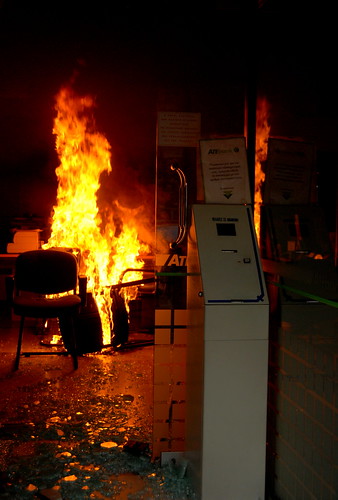
As if to underline the growing sense of unease, a massive car bomb went off outside the Bank of Greece building in central Athens a day ahead of Merkel's visit. Although police were quick to claim it was probably the work of anarchists, the sophistication and scale of the attack is completely unlike the kinds of attack such groups usually carry out. As yet no individual or group has claimed responsibility.
Yet none of this could puncture the joint Hellenic-German display of mutual appreciation on display, and to make sure that that would remain so 5000 police officers were on duty to enforce a ban on any form of demonstration in the centre of the Greek capital. Strange that a leader who compared the NSA with the East German secret service (Stasi) for tapping her phone had nothing to say with a display of state strength that Erich Honenker would have gladly approved of.
In keeping with the authoritarian spirit of the day, the Greek state run press Agency APA doctored the chancellor's speech, deleting all reference to austerity in their translation which was released to the local press. Unnecessary given that both state and private broadcasters (which are owned by country's oligarchs with close ties with the ruling parties) went to extraordinary lengths to make sure the prime minister's version of events got as wide and uncritical a hearing as possible.
On the other hand reactions to Merkel's appearance in Athens on Twitter were almost universally negative, with many comparing it to the visit of a monarch to a newly acquired colony and seething at the revoking of basic civil rights for the duration. Abroad, financial analysts were less giddy with excitement over possibilities of a Greek recovery given that fact that none of the economic fundamentals which are crushing development have changed.
So what was the point? Economically almost none, but politically the return of Greece to the money markets is being sold as a indication that the austerity policies which have brought many European economies to their knees is finally paying off. This is a message we are going to be hearing repeatedly over the next few weeks as EU countries go the poll to vote in European parliamentary elections in May and while this media narrative may play well in Germany throughout the rest of Europe the response could be more muted.
Usually, EU elections are marked by indifference both among the public and the media, but given the growing unpopularity of parties implementing austerity and the rise of the far Right this year's vote is the nearest thing the continent will have to a referendum on the dominant austerity narrative. In the UK, the Conservative/Liberal coalition government is nervously facing the prospect of a spike in UKIP support at their expense. Hollande's position in France would also be seriously weakened if he has a repeat of the debacle his party suffered in the recent local elections.
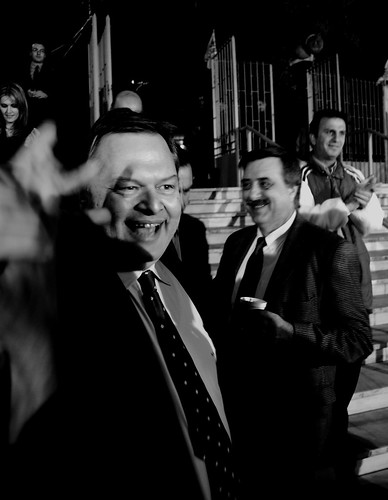
As well as EU vote Greece will also have local elections in May and the reality is that it will mark the end of a political era with PASOK being ousted from power in many districts, a fall from political grace that has seen its share of the vote drop from 43% in 2009 to around 4%, if recent polls are to be believed. That will probably signal the downfall of deputy PM and PASOK leader Evangelos Venizelos's time as party leader, even his blustering, bullishness will not be able to keep in check anger at how the party has been destroyed by its leadership's commitment to austerity policies.
Similarly, the prime minister's New Democracy party is also growing restless, unhappy with the coterie of far right advisors and politicians that surround the leader, also worried that they too, may eventually suffer the same fate as PASOK as their power is challenged by SYRIZA on the left and Golden Dawn of the right. A poor showing in May elections may also trigger a challenged to Samaras's leadership.
This is why the visit of Angela Merkel and the bond auction was so vital to a political leadership, desperate to convince the public that despite all the evidence to the contrary the Greek economy is on the right track. Whether this will be transformed in votes in the polls is another matter.Putting aside the growing anti-German sentiment in Greece, the statistics and indicators being used by politicians and media to make the case for recovery are, at best tangential to the everyday struggle for survival many Greeks face. Spreads, yields, and bonds will not make finding a job any easier, reduce skyrocketing tax bills or stop the flood of young people leaving the country.
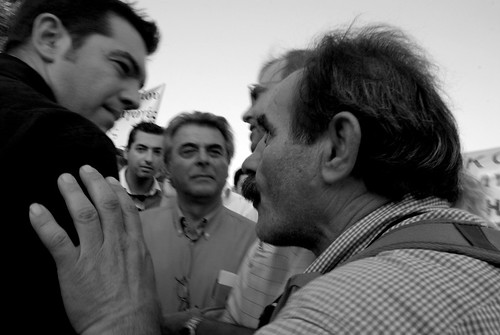
Photo I took during Merkel's 2012 visit to Athens.
Once again the world's press and a large chunk of the nation's police force descended upon Athens in anticipation of the visit by German chancellor, Angela Merkel to beleaguered Greek prime minister, Antonis Samaras.
Bathing in glow of German praise for his government's austerity policies and the a successful five - year bond auction the fragile coalition government and its supporters in the the media were certain that this marked the end of a six-year economic downturn that has not been seen in a developed European country at peace since the Great Depression. Nor was such optimism limited to local reporters and analysts, foreign outlets such as the BBC also waxed lyrically that Greece had finally turned a corner.
Alas, as with so many similar predictions made in 2009, 2010, 2011, 2012 and 2013, the facts, on closer examination do not bear out the basic assumption that a successful bond sale signals growing confidence in Greek economic performance and hence represents the end of the downturn in the real economy. Unemployment still remains high at 26.7% and 20% of those in employment remain unpaid for at least three months, often for much longer. Exports have dropped and GDP is still more than 25% less than it was in 2008. The government is mired in scandal over its connection with Golden Dawn and during the last austerity vote saw it's parliamentary majority drop to just one MP in the 300 seat house.
As if to underline the growing sense of unease, a massive car bomb went off outside the Bank of Greece building in central Athens a day ahead of Merkel's visit. Although police were quick to claim it was probably the work of anarchists, the sophistication and scale of the attack is completely unlike the kinds of attack such groups usually carry out. As yet no individual or group has claimed responsibility.
Yet none of this could puncture the joint Hellenic-German display of mutual appreciation on display, and to make sure that that would remain so 5000 police officers were on duty to enforce a ban on any form of demonstration in the centre of the Greek capital. Strange that a leader who compared the NSA with the East German secret service (Stasi) for tapping her phone had nothing to say with a display of state strength that Erich Honenker would have gladly approved of.
In keeping with the authoritarian spirit of the day, the Greek state run press Agency APA doctored the chancellor's speech, deleting all reference to austerity in their translation which was released to the local press. Unnecessary given that both state and private broadcasters (which are owned by country's oligarchs with close ties with the ruling parties) went to extraordinary lengths to make sure the prime minister's version of events got as wide and uncritical a hearing as possible.
On the other hand reactions to Merkel's appearance in Athens on Twitter were almost universally negative, with many comparing it to the visit of a monarch to a newly acquired colony and seething at the revoking of basic civil rights for the duration. Abroad, financial analysts were less giddy with excitement over possibilities of a Greek recovery given that fact that none of the economic fundamentals which are crushing development have changed.
So what was the point? Economically almost none, but politically the return of Greece to the money markets is being sold as a indication that the austerity policies which have brought many European economies to their knees is finally paying off. This is a message we are going to be hearing repeatedly over the next few weeks as EU countries go the poll to vote in European parliamentary elections in May and while this media narrative may play well in Germany throughout the rest of Europe the response could be more muted.
Usually, EU elections are marked by indifference both among the public and the media, but given the growing unpopularity of parties implementing austerity and the rise of the far Right this year's vote is the nearest thing the continent will have to a referendum on the dominant austerity narrative. In the UK, the Conservative/Liberal coalition government is nervously facing the prospect of a spike in UKIP support at their expense. Hollande's position in France would also be seriously weakened if he has a repeat of the debacle his party suffered in the recent local elections.
As well as EU vote Greece will also have local elections in May and the reality is that it will mark the end of a political era with PASOK being ousted from power in many districts, a fall from political grace that has seen its share of the vote drop from 43% in 2009 to around 4%, if recent polls are to be believed. That will probably signal the downfall of deputy PM and PASOK leader Evangelos Venizelos's time as party leader, even his blustering, bullishness will not be able to keep in check anger at how the party has been destroyed by its leadership's commitment to austerity policies.
Similarly, the prime minister's New Democracy party is also growing restless, unhappy with the coterie of far right advisors and politicians that surround the leader, also worried that they too, may eventually suffer the same fate as PASOK as their power is challenged by SYRIZA on the left and Golden Dawn of the right. A poor showing in May elections may also trigger a challenged to Samaras's leadership.
This is why the visit of Angela Merkel and the bond auction was so vital to a political leadership, desperate to convince the public that despite all the evidence to the contrary the Greek economy is on the right track. Whether this will be transformed in votes in the polls is another matter.Putting aside the growing anti-German sentiment in Greece, the statistics and indicators being used by politicians and media to make the case for recovery are, at best tangential to the everyday struggle for survival many Greeks face. Spreads, yields, and bonds will not make finding a job any easier, reduce skyrocketing tax bills or stop the flood of young people leaving the country.